


Occlusion — the way the upper and lower teeth meet — plays a key role in dental function and smile aesthetics. Poor occlusion can cause a range of problems, including jaw pain, tooth wear, and even headaches. Modern methods of occlusion analysis allow dentists to accurately diagnose and correct these issues.
In dentistry, any procedure involving tooth movement is performed only after analysing the position of the lower jaw, in order to protect the temporomandibular joint.


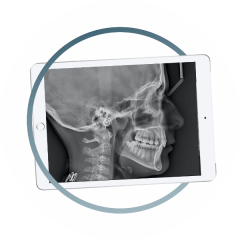
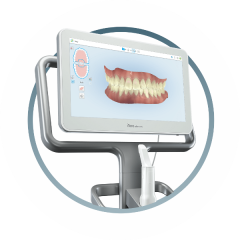
Using advanced technologies such as digital scanning and bite pressure analysis, dentists can create individualised treatment plans.
This not only improves the function of the teeth and jaw, but also restores patients' confidence in their smile. This approach to occlusion analysis and correction significantly improves patients' quality of life.
Masticatory muscles
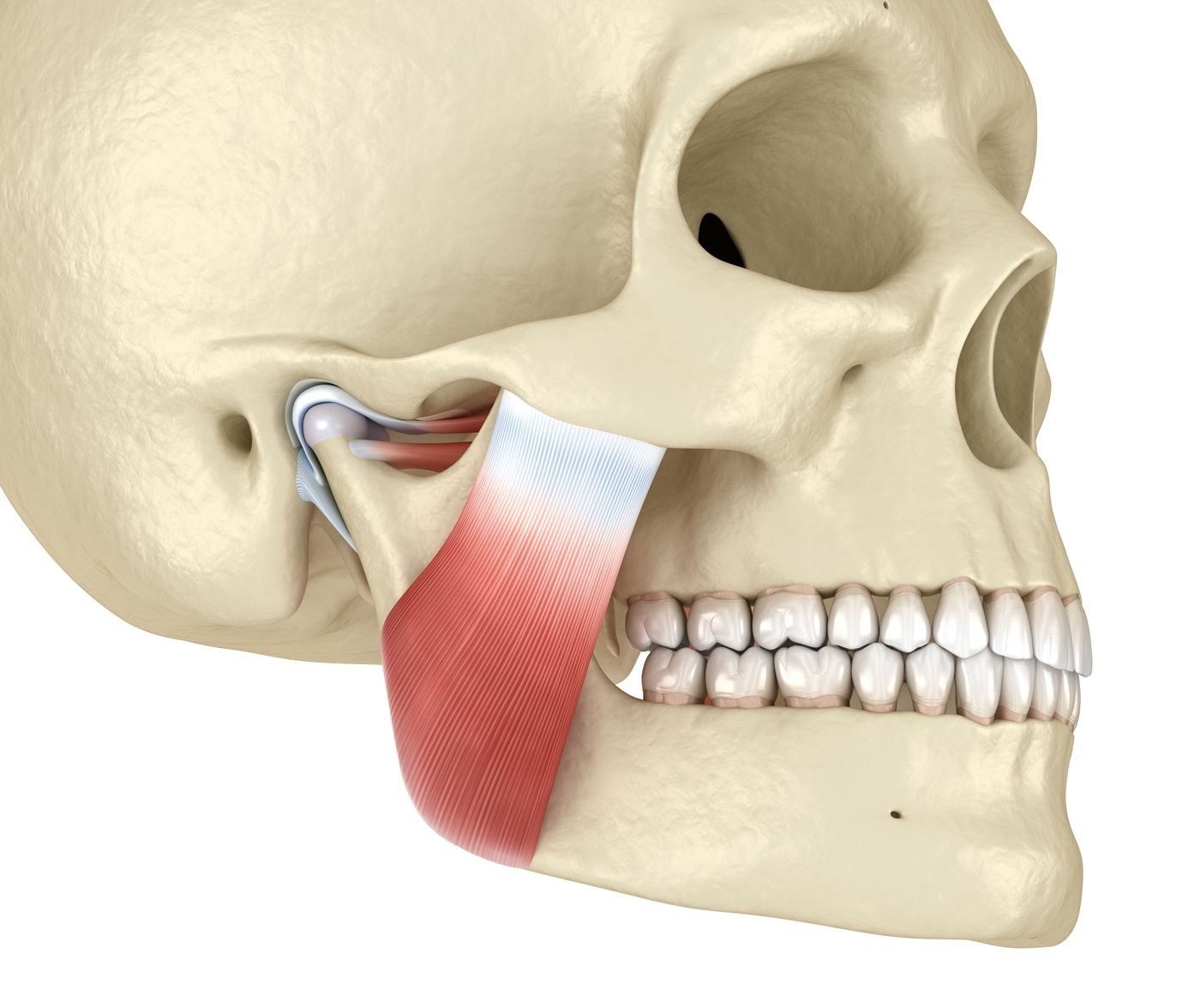
Our bite depends on the function and condition of the muscles. It is not enough to simply correct tooth position — it is equally important to bring the muscles to a normal state, meaning balanced tone without spasms or tension.
Temporomandibular joint (TMJ)
The dentist's goal is to guide the joint into a healthy position through treatment, ensuring comfortable, trauma-free movement.
Tooth position (bite)
The dentist guides tooth movement, bringing them into a position that provides even distribution of chewing load and an optimal TMJ position.

Often one or both joints are subject to internal compression, leading to structural changes such as arthritis. This can occur, for example, due to long-term absence of molars on both sides of the jaw, or excessive tooth wear. Patients may notice clicking or grinding sounds when opening the mouth wide. In addition, the coordination of the masticatory muscles responsible for jaw movement becomes disrupted, leading to asymmetry in their muscle tone. Some masticatory muscles may be in a state of constant tension. All of this affects the health of the joint.
When planning full-mouth prosthetics or tooth movement, we identify the optimal lower jaw position and use it as our reference point, achieving it through the height and shape of crowns or the repositioning of teeth.
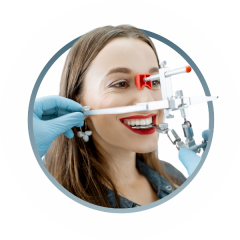
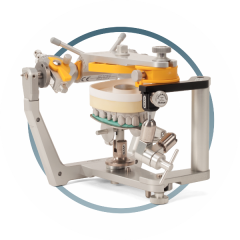
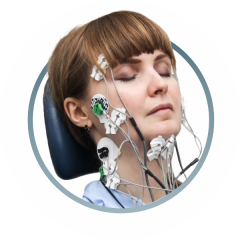
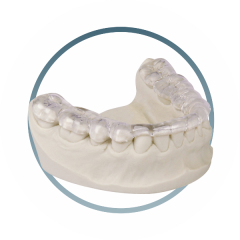
A comprehensive approach to occlusion analysis and treatment planning

and schedule a consultation.